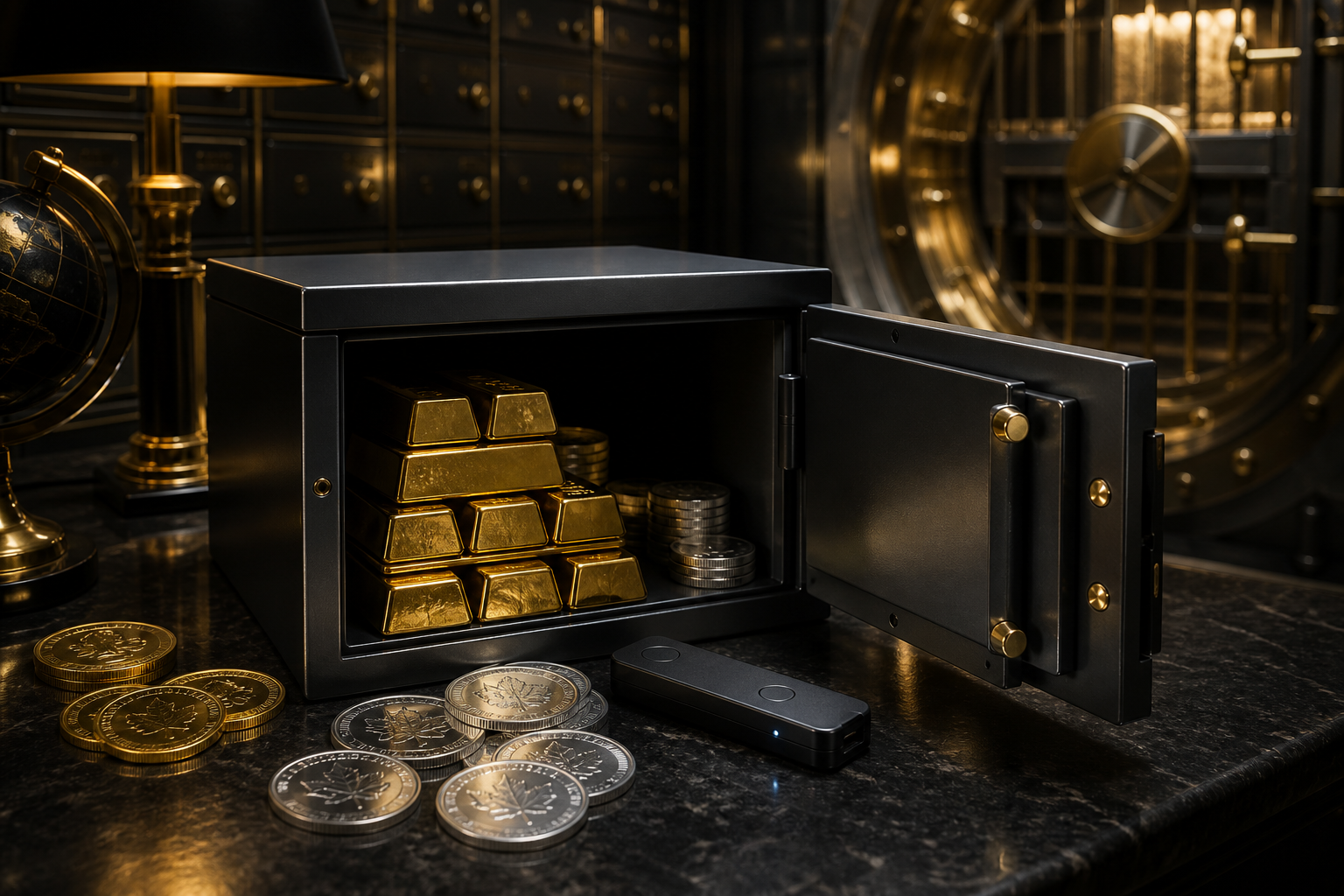
Compraste oro. Pero ¿realmente te pertenece?
Cuando los tenedores de criptomonedas dan el salto al oro físico, suelen centrarse en las preguntas más evidentes: qué metal, en qué formato, a qué precio. La pregunta que se pasa por alto —y que no debería— es cómo se custodia ese oro después de la compra.
La respuesta se reduce a dos palabras: asignado o no asignado. La distinción parece técnica. Las consecuencias no lo son en absoluto.
---
Qué significa realmente una cuenta de oro no asignado
Con una cuenta no asignada, tienes un derecho de crédito sobre un pool de metal —no la propiedad de lingotes o monedas específicos—. El proveedor mantiene una cantidad de oro y tu cuenta refleja una participación en ese total.
Esto genera un problema que debería resultarle familiar a cualquiera que haya pasado tiempo en el mundo cripto:
- El proveedor puede prestar, arrendar o rehipotecar ese oro
- En caso de quiebra, te conviertes en un acreedor quirografario, no en un propietario con garantía real
- Es posible que se te deba oro que físicamente no existe en el cofre en ese momento
Las cuentas no asignadas son más baratas de gestionar, por eso muchos bancos y productos financieros las utilizan por defecto. El ahorro en costes va al proveedor. El riesgo de contraparte va a ti.
---
Qué significa realmente una cuenta de oro asignado
Con el almacenamiento asignado, lingotes o monedas específicos e identificados quedan registrados a tu nombre. El metal está segregado de los activos propios del proveedor y de las tenencias de otros clientes.
Características clave de la verdadera propiedad asignada:
- Tu oro tiene números de serie, pesos y marcas de ensayo registrados
- No puede ser prestado ni utilizado como garantía por el custodio
- En caso de insolvencia, tu metal no forma parte de la masa concursal —es tuyo, no de ellos—
- Generalmente puedes solicitar la entrega física o una auditoría independiente
Esta es la diferencia entre custodiar tus propias claves privadas y dejar fondos en un exchange. La analogía no es decorativa —es estructuralmente precisa—.
---
Por qué los nativos cripto deberían preocuparse más que nadie
Si llegaste al oro desde Bitcoin o Monero, ya conoces el principio fundamental: no confíes, verifica. La autocustodia existe precisamente porque el riesgo de contraparte es real y tiende a materializarse en el peor momento posible.
La crisis financiera de 2008, el colapso de MF Global en 2011 y varios fallos de custodios menores demostraron todos el mismo patrón: cuando las instituciones quiebran, los titulares de cuentas no asignadas pierden el acceso al metal que creían poseer.
Para alguien que ya ha dado el paso de convertir ganancias en criptomonedas en metal físico —precisamente para escapar del riesgo de contraparte y del riesgo sistémico—, custodiar ese metal en una cuenta no asignada desvirtúa en parte el propósito.
El almacenamiento asignado es el equivalente de la autocustodia en el mundo del oro. No es una función premium. Es el requisito básico que hace que la propiedad física tenga sentido.
---
Preguntas que debes hacer antes de elegir dónde almacenar
Si estás evaluando cualquier solución de custodia de oro, estas son las preguntas que importan:
- ¿Mi metal está asignado y segregado individualmente, o está en un pool?
- ¿Se registran números de serie y pesos en mi cuenta?
- ¿Puedo solicitar una auditoría o inspección independiente?
- ¿Qué ocurre con mi metal si el custodio se vuelve insolvente?
- ¿La instalación de almacenamiento es independiente del distribuidor que me vendió el metal?
Si las respuestas son vagas, eso ya es en sí mismo una respuesta.
---
Cómo gestiona esto SwissGoldXMR
Cada compra a través de SwissGoldXMR da lugar a un almacenamiento completamente asignado y segregado en un cofre suizo. Tu metal está identificado por número de serie y peso, registrado a tu nombre y custodiado completamente fuera de nuestro balance.
El marco jurídico suizo ofrece una protección estructural adicional: la ley suiza sobre cofres trata el metal asignado como propiedad del cliente, no como un activo del custodio. Esto tiene una importancia que va mucho más allá del lenguaje de marketing.
Puedes consultar todos los detalles sobre cómo funcionan el almacenamiento y la recompra en nuestra página Cofre suizo y recompra, y ver la gama de productos disponibles en nuestro catálogo.
Si quieres entender todo el proceso de compra antes de comprometerte, cómo funciona explica cada paso, desde el pago hasta la confirmación en el cofre.
---
Conclusión
La propiedad asignada no es un nivel de lujo. Es lo que representa la verdadera propiedad del oro físico. Si el metal no puede ser identificado, auditado y entregado a petición, lo que tienes es una promesa —y las promesas tienen contrapartes—.
Cuando estés listo para pasar de la comprensión a la acción, empieza por el catálogo y elige el metal que será tuyo en todos los sentidos significativos de la palabra.
¿Listo para tener metal suizo de verdad?
Explorar el catálogo