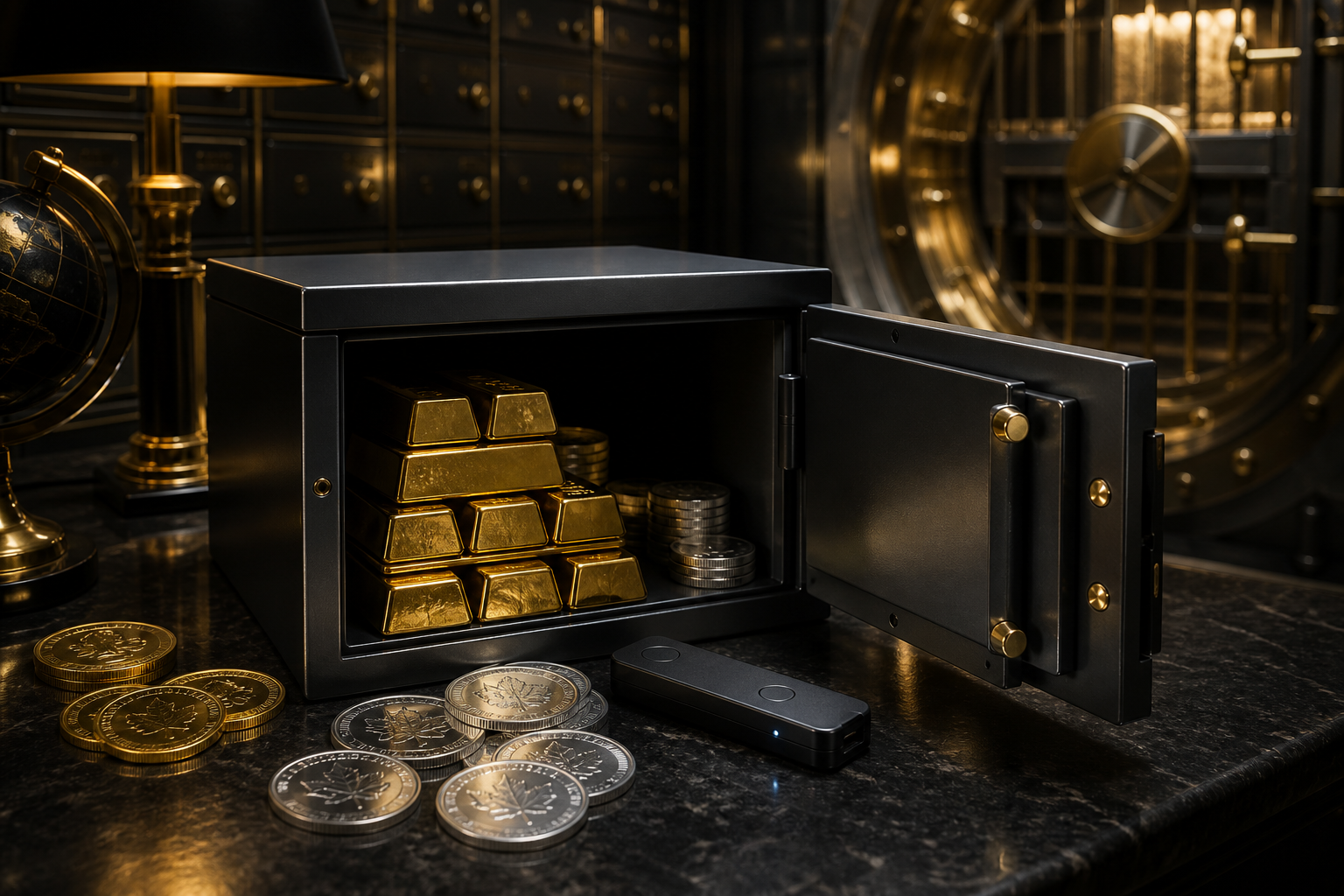
Compraste oro – ¿pero realmente te pertenece?
Cuando los tenedores de criptomonedas dan sus primeros pasos en el oro físico, se centran en las preguntas más obvias: qué metal, qué forma, qué precio. Son preguntas válidas. Pero hay una pregunta más silenciosa, y más importante – ¿cómo se custodia tu oro y qué derecho legal tienes realmente sobre él?
La respuesta depende por completo de si tu oro está asignado o no asignado. La distinción suena técnica. Las consecuencias no lo son.
---
Qué significa el oro no asignado
Con el almacenamiento no asignado, no posees lingotes ni monedas específicos e identificables. En cambio, tienes una reclamación sobre un fondo común de metal gestionado por un custodio o un banco. Tu oro es, en términos contables, un pasivo en su balance.
Esto tiene implicaciones reales:
- Si el custodio se vuelve insolvente, te conviertes en un acreedor no garantizado – te unes a la cola con el resto de acreedores, no al contenido de la cámara acorazada.
- Tu metal puede ser prestado, rehipotecado o utilizado como garantía sin tu conocimiento.
- No puedes señalar un lingote concreto y decir: ese es mío.
Las cuentas no asignadas son habituales en el sistema financiero tradicional porque son más baratas de administrar. Muchos productos de oro para el inversor minorista – incluidos algunos ETF y cuentas de oro bancarias – funcionan bajo este esquema. El riesgo de contraparte es real y a menudo está enterrado en la letra pequeña.
---
Qué significa el oro asignado
El oro asignado es fundamentalmente diferente. Lingotes o monedas específicos, numerados, están registrados a tu nombre. Se encuentran en una cámara acorazada, segregados de los activos propios del custodio. Si el custodio quiebra, tu metal no forma parte de la masa concursal – es tuyo y puede serte devuelto.
Características clave del almacenamiento asignado:
- Cada pieza está identificada individualmente por número de serie, peso y pureza.
- El metal figura en tu extracto como tu propiedad, no como un pasivo del custodio.
- No puede ser prestado ni pignorado legalmente sin tu consentimiento explícito.
- Puedes, en principio, solicitar la entrega física de tus piezas específicas.
Este es el patrón oro – literalmente – para una propiedad segura.
---
Por qué esto resuena de forma diferente para los nativos de la crypto
Si tienes experiencia en el mundo cripto, la distinción entre asignado y no asignado te resultará inmediatamente familiar. Ya entiendes la diferencia entre custodiar tus propias claves y dejar fondos en un exchange. La lógica es idéntica.
El oro no asignado es el monedero del exchange en el mundo de los metales preciosos. El oro asignado es la autocustodia – con la diferencia de que aquí una cámara acorazada suiza profesional se encarga de la seguridad física mientras el título legal de propiedad permanece inequívocamente en tus manos.
La crisis financiera de 2008, el colapso de varios exchanges de criptomonedas en los últimos años y los periódicos fracasos de intermediarios financieros cuentan todos la misma historia: cuando las contrapartes fallan, los activos en fondos comunes o en custodia están en riesgo. La propiedad segregada y asignada es la respuesta estructural a ese riesgo.
---
Preguntas que debes hacer antes de elegir dónde almacenar
Si estás evaluando cualquier solución de almacenamiento de oro, estas son las preguntas que importan:
- ¿Está mi metal individualmente asignado e identificado por número de serie?
- ¿Está la cámara acorazada segregada del balance propio del custodio?
- ¿Puedo recibir un informe de auditoría independiente o un certificado de tenencia?
- ¿Qué ocurre con mi metal si el proveedor de almacenamiento se vuelve insolvente?
- ¿Puedo solicitar la entrega física y bajo qué condiciones?
Cualquier respuesta vaga a alguna de estas preguntas debe tratarse como una señal de alerta.
---
Cómo funciona el almacenamiento en cámara acorazada suiza aquí
En SwissGoldXMR, cada compra da lugar a metal completamente asignado e individualmente identificado, almacenado en una cámara acorazada suiza. Tus tenencias están segregadas – no se agrupan con los activos de otros clientes y no aparecen en nuestro balance como un pasivo. El metal es tuyo; nosotros proporcionamos el entorno seguro.
Puedes consultar todos los detalles sobre la custodia y la recompra en la página Cámara acorazada suiza & recompra, y ver la gama de metales disponibles en nuestro catálogo.
Si todavía estás construyendo tu comprensión del proceso general, cómo funciona explica cada paso desde el pago hasta la confirmación en la cámara acorazada.
---
La conclusión
Comprar oro sin entender tu estructura de propiedad es como comprar bitcoin y dejarlo indefinidamente en un exchange. El activo puede ser real; tu derecho sobre él puede no ser tan sólido como crees.
El almacenamiento asignado no es una característica premium – es el punto de partida que exige una propiedad seria. Si estás listo para tener oro de la manera correcta, empieza por nuestro catálogo y sabe exactamente lo que estás adquiriendo antes de comprar.
¿Listo para tener metal suizo de verdad?
Explorar el catálogo