La acumulación silenciosa de la que nadie habla
Mientras los inversores minoristas debaten sobre lanzamientos de tokens y aprobaciones de ETF, las instituciones financieras más conservadoras del mundo llevan tiempo haciendo algo notablemente consistente: comprar oro. Y en grandes cantidades.
Según el World Gold Council, los bancos centrales han sido compradores netos de oro cada año desde 2010, con compras que se han acelerado marcadamente tras 2022. No se trata de operaciones especulativas. Los bancos centrales trabajan con horizontes de planificación de décadas. Cuando actúan, vale la pena preguntarse por qué.
¿Qué impulsa la demanda de los bancos centrales?
Varias fuerzas estructurales convergen al mismo tiempo.
Las preocupaciones por la desdolarización
La congelación de las reservas de divisas rusas en 2022 envió un mensaje claro a todos los bancos centrales que mantienen activos denominados en dólares: la deuda soberana puede utilizarse como arma. El oro en forma física, en cambio, no puede ser congelado por un gobierno extranjero. No conlleva ninguna contraparte. Ese único evento geopolítico aceleró una tendencia que venía gestándose silenciosamente durante años.
La desconfianza en la estabilidad de las monedas fiduciarias
Los niveles de deuda global han alcanzado máximos históricos. Cuando los gobiernos acumulan déficits persistentes y los bancos centrales amplían sus balances, el poder adquisitivo a largo plazo de las monedas de papel se ve presionado. El oro no tiene banco central, no tiene emisor y no lleva ningún pasivo asociado. Para los gestores de reservas, esto no es un argumento filosófico — es una consideración de balance.
La diversificación de cartera a gran escala
Los bancos centrales de los mercados emergentes — especialmente en Asia, Oriente Medio y Europa del Este — han estado históricamente infraponderados en oro en comparación con sus homólogos occidentales. Alcanzar una composición de reservas más equilibrada implica una presión compradora sostenida durante años, no meses.
Qué señala esto a los inversores particulares
El comportamiento de los bancos centrales no predice los movimientos de precios a corto plazo. Quien le diga lo contrario está especulando. Lo que sí señala es algo más duradero:
- La validación institucional del papel del oro como activo de reserva en un entorno monetario incierto
- Una demanda estructural que proporciona un suelo persistente bajo el mercado, independientemente del sentimiento minorista
- Un voto de desconfianza a largo plazo en la idea de que la moneda fiduciaria por sí sola es suficiente para preservar la riqueza
Para quien tiene criptomonedas, este contexto importa. Ya conoce el argumento a favor de activos fuera del sistema bancario tradicional. El oro y el Bitcoin no son idénticos — sus características difieren de forma significativa — pero comparten una propiedad importante: ninguno depende de la promesa de un gobierno de devolver su deuda.
La implicación práctica: poseer el metal en sí
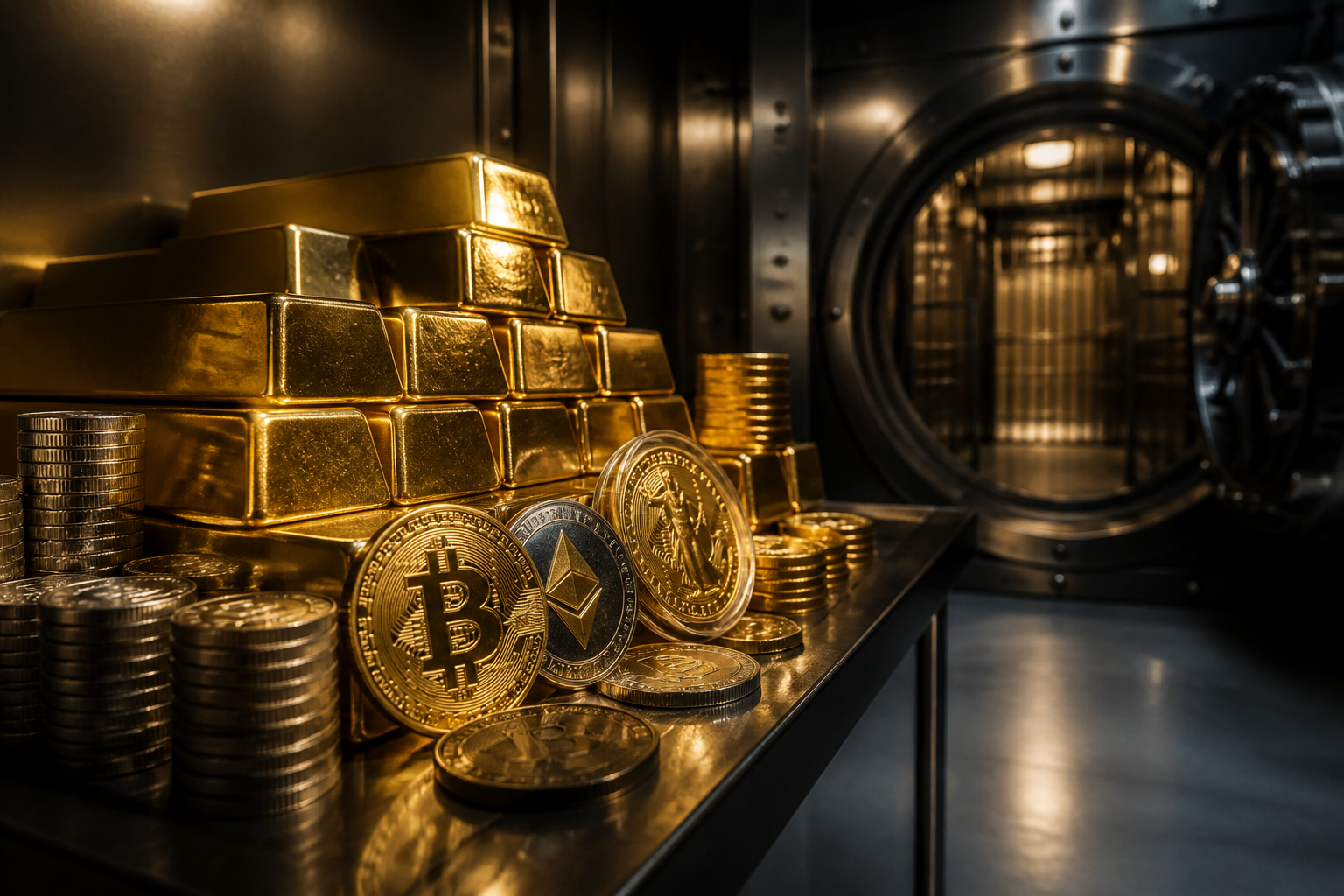
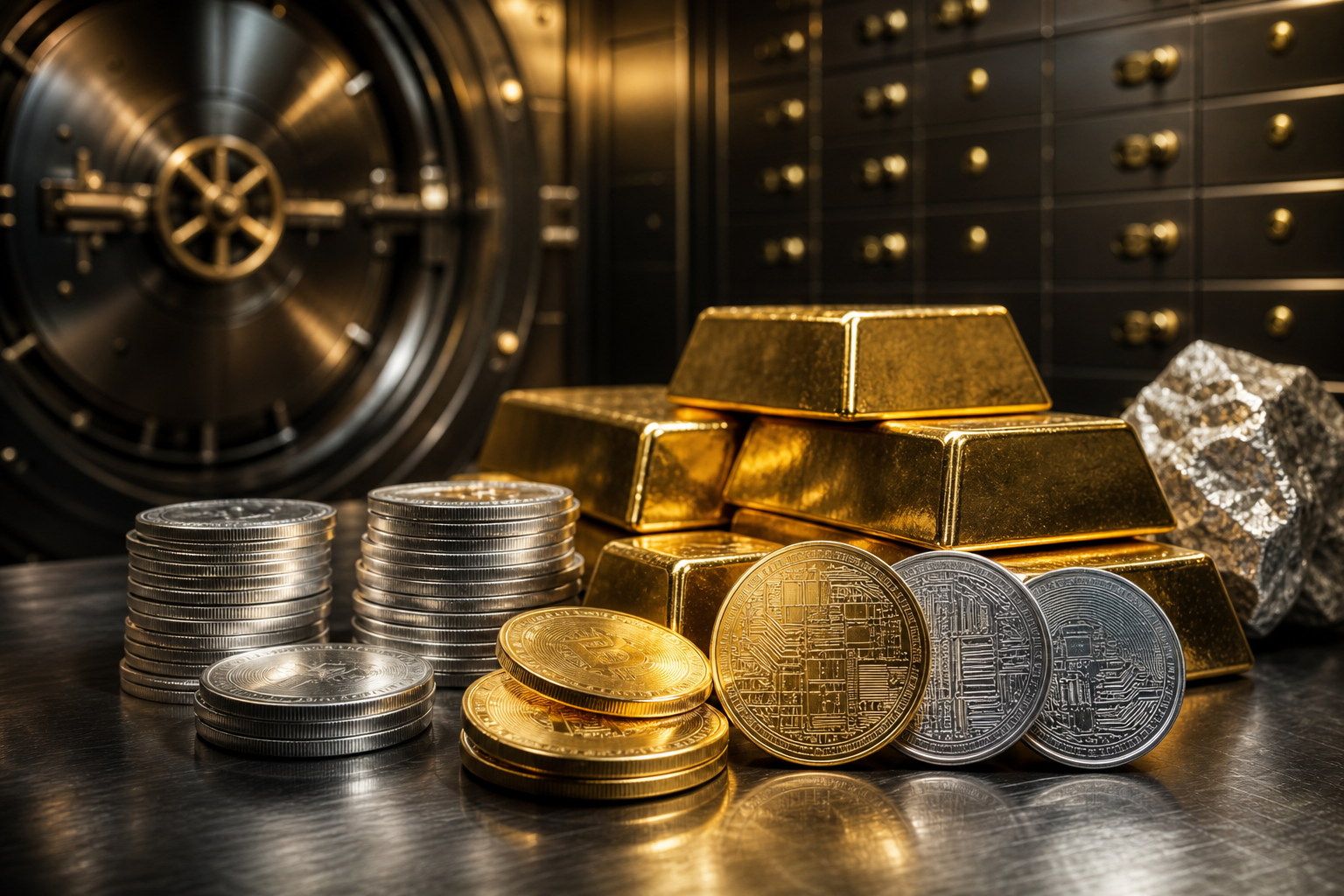
Los bancos centrales no compran futuros sobre el oro. No mantienen participaciones en ETF. Toman entrega de lingotes físicos y los almacenan en cámaras acorazadas — a menudo en jurisdicciones políticamente neutrales. Suiza custodia una parte significativa de las reservas oficiales de oro del mundo precisamente por su estabilidad jurídica y su larga tradición de neutralidad.
Esto no es una coincidencia. Es una elección deliberada en materia de riesgo de contraparte y seguridad jurisdiccional.
Los inversores particulares pueden aplicar la misma lógica a menor escala. Poseer un ETF de oro significa tener un derecho frente a una institución financiera. Poseer oro físico asignado en una cámara acorazada suiza significa poseer el metal en sí — con su nombre, segregado del balance de cualquier institución.
Si tiene curiosidad por saber cómo funciona en la práctica, la página cómo funciona explica todo el proceso desde la compra hasta el almacenamiento.
Dimensionar la inversión con sensatez
Nada de esto es un argumento para abandonar sus posiciones en criptomonedas ni para reestructurar toda su cartera de la noche a la mañana. La pregunta más útil es: ¿qué porcentaje de su patrimonio está genuinamente fuera del sistema financiero?
Para muchos tenedores de criptomonedas, la respuesta ya es superior a la media. Añadir una asignación en oro físico — aunque sea modesta — extiende esa lógica hacia un activo con un historial de 5.000 años y una demanda institucional activa en este momento.
Algunas consideraciones prácticas:
- Comience con un tamaño de posición que no se vea obligado a liquidar bajo presión
- Prefiera el almacenamiento asignado y segregado frente a los acuerdos no asignados
- Elija una jurisdicción con sólidos derechos de propiedad y neutralidad política
- Comprenda las condiciones de recompra antes de comprar — la liquidez es fundamental
Puede consultar los productos de oro disponibles en el catálogo y leer sobre las condiciones de almacenamiento y recompra en la página cámara suiza y recompra.
Una reflexión final
Los bancos centrales no son infalibles. Pero tampoco son impulsivos. Cuando instituciones que gestionan billones en reservas eligen sistemáticamente mantener más oro año tras año, es razonable preguntarse si están viendo algo que los participantes del mercado con horizontes más cortos no perciben.
No necesita compartir su convicción. Pero entender su razonamiento es un insumo valioso para tomar sus propias decisiones.
Si desea explorar más, el Journal aborda toda la gama de temas relacionados con el oro, las criptomonedas y la preservación del patrimonio a largo plazo.
¿Listo para tener metal suizo de verdad?
Explorar el catálogo